
TMJ Disorder
TMJ disorder treatment can help alleviate jaw pain, headaches, and clicking or locking sensations when you chew or speak. By improving jaw alignment and reducing muscle tension, therapy enables you to eat comfortably, sleep better, and protect your teeth.
TMJ Disorder Treatment in Fargo, ND
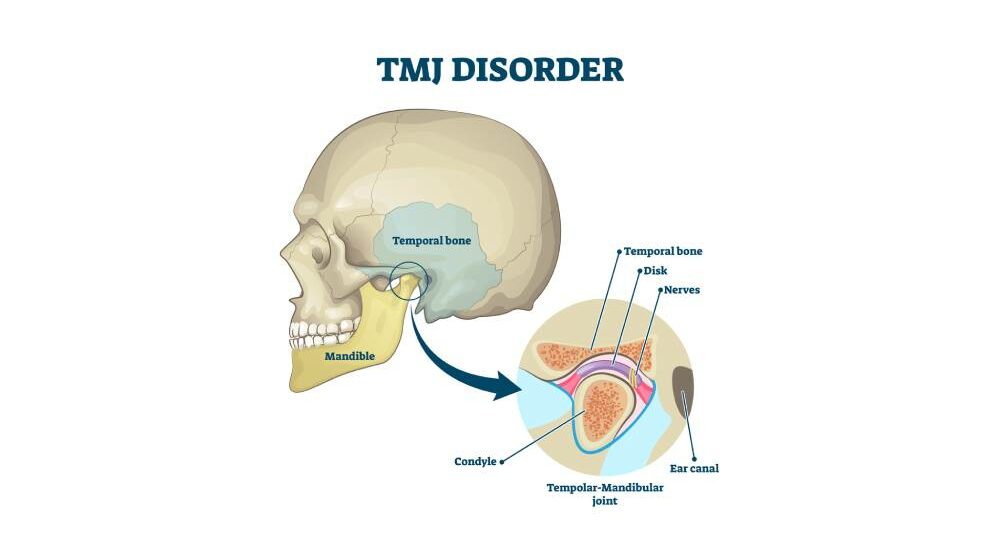
TMJ disorder (temporomandibular joint disorder) affects the jaw joint and surrounding muscles that help you chew, speak, and yawn. When this joint becomes irritated or misaligned, it can lead to jaw pain, clicking or popping, headaches, facial soreness, and even tension in the neck or shoulders. Some people also experience difficulty opening their mouths fully or discomfort while eating.
Treating TMJ is important because symptoms can worsen over time, impacting your sleep, daily comfort, and overall oral health. With the proper care, relief is possible—and your jaw can function smoothly again.
-
What are the symptoms for TMJ disorder?
TMJ disorder can cause a range of uncomfortable symptoms that may impact your daily life. You might notice jaw pain or tenderness, especially when chewing or yawning, along with clicking, popping, or locking in the jaw. Some people experience frequent headaches, earaches, or a feeling of fullness in the ears that isn’t related to an infection. Facial soreness, neck tension, and difficulty opening or closing your mouth can also be signs. If these symptoms sound familiar, our team can evaluate your jaw and help relieve discomfort.
-
What causes TMJ disorder?
TMJ disorder occurs when the jaw joint and surrounding muscles become irritated or fail to work together smoothly. Common causes include teeth grinding or clenching (often during sleep), jaw injury, arthritis, and everyday stress that leads to muscle tension. An uneven bite or missing teeth can also place extra strain on the joint over time. The good news is that TMJ problems are treatable, and early care can help prevent discomfort from worsening.
-
How do you diagnose TMJ disorder?
TMJ disorder is typically diagnosed through a combination of your health history, a focused exam, and sometimes imaging. During your visit, our team will ask about symptoms like jaw pain, headaches, clicking, or difficulty chewing. We’ll gently evaluate how your jaw moves, check for tenderness in the jaw joints and surrounding muscles, and listen for popping or grinding sounds. If necessary, X-rays or other scans may be recommended to examine the joint and rule out other potential concerns. The goal is a precise diagnosis and a personalized treatment plan.
-
How do you treat TMJ?
At our office, we begin with a thorough evaluation to pinpoint the source of your discomfort. Many patients find relief through conservative options, such as custom night guards, bite adjustments, stress-reduction strategies, and targeted jaw exercises. If inflammation is involved, we may recommend medication or gentle therapies to reduce strain on the joint. Our goal is to ease pain, restore healthy jaw function, and help you feel comfortable again without unnecessary procedures.
Do You Have Symptoms of TMJ Disorder?
If you've noticed signs of TMJ disorder and would like to learn more, schedule a consultation with our knowledgeable team today!