
Periodontal Disease Treatment (Gum Disease)
Periodontal disease treatment helps protect your teeth and gums, reducing inflammation, bleeding, and bad breath while preventing tooth loss. By removing harmful bacteria and supporting healthier gum tissue, treatment can improve overall oral health.
Periodontal Disease Treatment in Fargo, ND
Periodontal disease (often called gum disease) is an infection of the tissues that support your teeth. It typically starts when plaque (a sticky film of bacteria) builds up along the gumline and isn’t removed with consistent brushing, flossing, and professional cleanings. Over time, inflammation can cause red, swollen, or bleeding gums, persistent bad breath, gum recession, and even tooth loss. Research also links advanced gum disease with broader health concerns, including diabetes and heart disease.
However, periodontal disease is treatable, especially when caught early. Prompt care helps protect your smile, comfort, and long-term health.
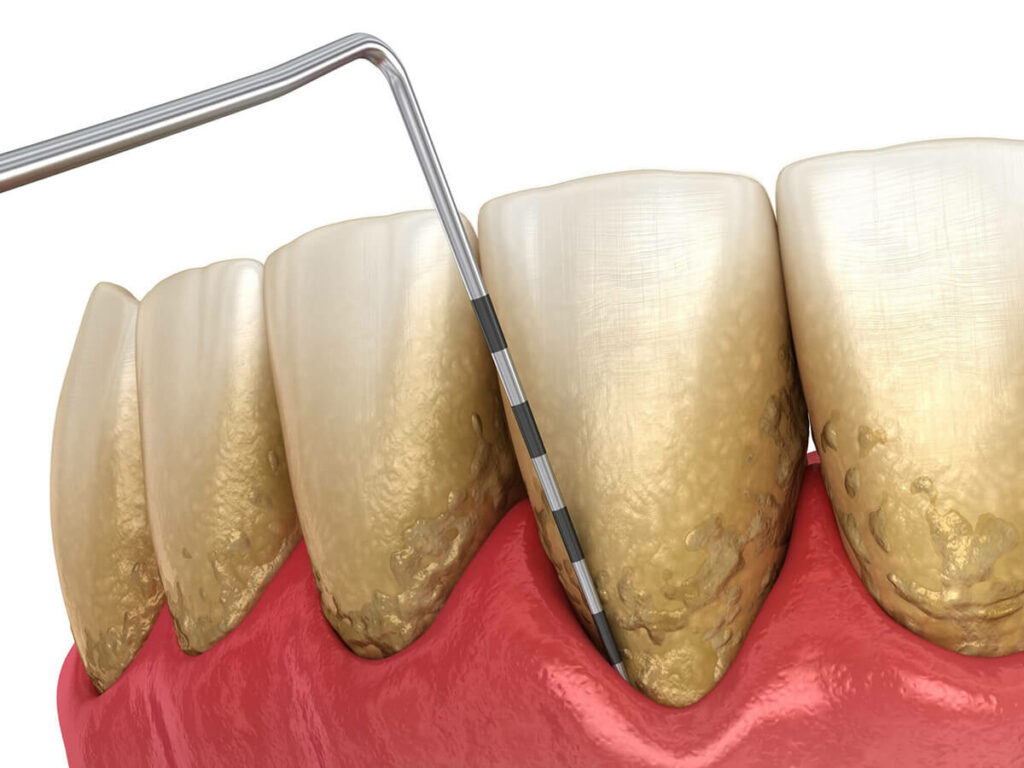
-
What are the symptoms of periodontal disease?
-
How does gum disease impact overall health?
When gums become inflamed or infected, harmful bacteria can enter the bloodstream and may contribute to problems throughout the body. Research has linked gum disease to conditions like heart disease, diabetes complications, and even respiratory issues. The good news is that prevention is straightforward: consistent brushing and flossing, routine dental cleanings, and early treatment can help protect both your smile and overall wellness.
-
How is gum disease treated?
Gum disease treatment depends on the severity of the infection, but the goal remains the same: to stop the bacteria and protect your smile. In earlier stages, scaling and root planing is a deep cleaning procedure that removes plaque and tartar from below the gumline and smooths the tooth roots, allowing the gums to reattach and heal. If gum recession has progressed, gum grafting may be recommended. This procedure adds healthy tissue to areas where the gums have receded, helping to cover exposed roots, reduce sensitivity, and provide long-term support.
-
What is gum recession?
Gum recession occurs when the gum tissue around your teeth gradually pulls back, exposing more of the tooth or even the root. This can make teeth look longer and may lead to sensitivity, increased risk of cavities, and irritation along the gumline. Recession is often caused by gum disease, aggressive brushing, genetics, teeth grinding, tobacco use, or misaligned teeth that place extra pressure on the gums.
Do You Have Symptoms of Gum Disease?
If you are experiencing the signs of gum disease or have additional questions on periodontal disease treatment, contact our helpful team today!